
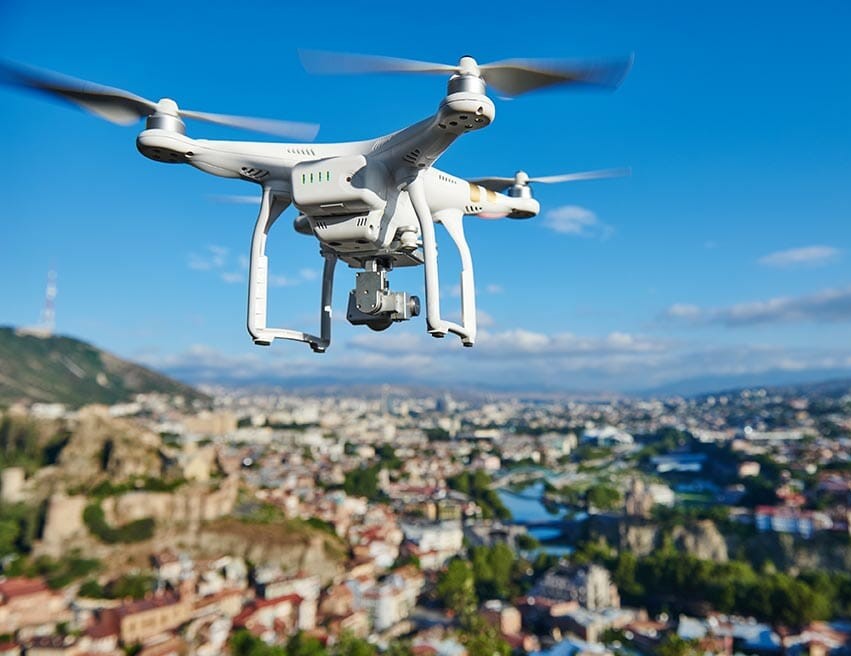
Aerial drone photography has transformed the way creators, businesses, and filmmakers capture the world. With the ability to fly above landscapes, cities, and events, drones offer perspectives that traditional cameras simply cannot achieve. However, the true power of aerial photography lies in choosing the right angle. The angle you select determines whether your shot looks cinematic, dramatic, or simply ordinary. This guide will help you understand how to choose the perfect angle for any aerial project.
1. Understand the Purpose of the Shot
Before sending your drone into the sky, ask yourself: What story do I want this photo to tell?
Every angle communicates a specific message:
-
High-altitude overview conveys scale and context.
-
Low-altitude angles highlight details and add intimacy.
-
Diagonal angles introduce energy and movement.
-
Top-down shots offer symmetry, patterns, and artistic uniqueness.
The angle must always match the intention of the project—whether it’s real estate marketing, landscape documentation, event coverage, or creative filmmaking.
2. Use Top-Down Shots for Symmetry and Patterns
Top-down shots are among the most popular in drone photography. By pointing the camera directly downward, you reveal shapes, lines, and patterns that are invisible from the ground. This angle is perfect for:
-
Urban scenes with geometric streets
-
Forests and natural textures
-
Beach lines and water formations
-
Architectural symmetry
This angle creates a visually striking composition that instantly grabs attention.
3. Capture Diagonal and Tilted Angles for Dynamic Energy
A slightly tilted or angled shot can introduce motion and intensity. This is ideal when your subject involves:
-
Action scenes
-
Vehicles in motion
-
Sports events
-
Construction or industrial sites
Diagonal angles give a sense of speed and excitement, making the viewer feel part of the scene.
4. Use Low-Angle Shots for Cinematic Impact
Flying the drone at a lower height and tilting the camera upward toward the subject creates a powerful cinematic feel. This technique works well when you want to:
-
Highlight a building’s architecture
-
Showcase a mountain or landscape’s height
-
Emphasize the importance of a subject
Low-angle shots also enhance the emotional tone of the scene.
5. Consider Lighting and Shadows
The angle of your shot is deeply influenced by the time of day. Morning and sunset (golden hour) produce long shadows and warm tones, making any angle more visually appealing. Midday light may require adjusting the angle to avoid harsh reflections or overexposed areas.
6. Mix Multiple Angles for a Complete Visual Story
Professional aerial videos and photo sessions rarely rely on one angle. Instead, they combine:
-
High wide shots
-
Medium-range angled shots
-
Low-altitude close-ups
-
Top-down perspectives
This variety keeps the viewer engaged and elevates the overall production value.
Final Thoughts
Choosing the perfect angle in aerial drone photography is both an art and a technical skill. By understanding your purpose, experimenting with perspectives, and using light effectively, you can transform ordinary scenes into striking visual stories. Whether you are capturing real estate, landscapes, events, or commercial projects, mastering angles is the key to achieving professional, cinematic results.